Side-by-side research
Locomotion or interaction is the first decision.
| Decision point | Microduck | Reachy Mini |
|---|---|---|
| Starting price | $399 preorder | €350 Lite / €435 Wireless |
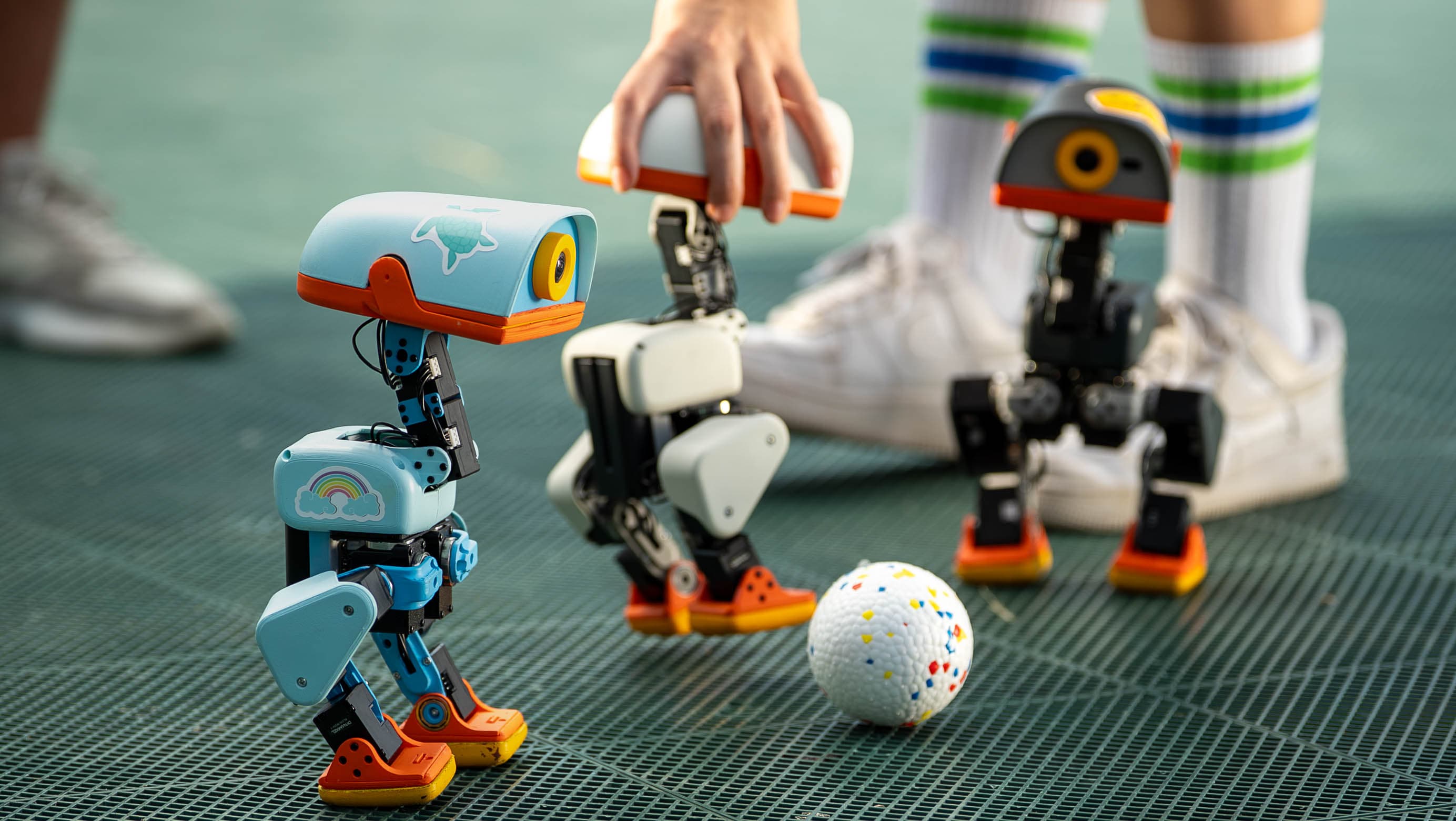
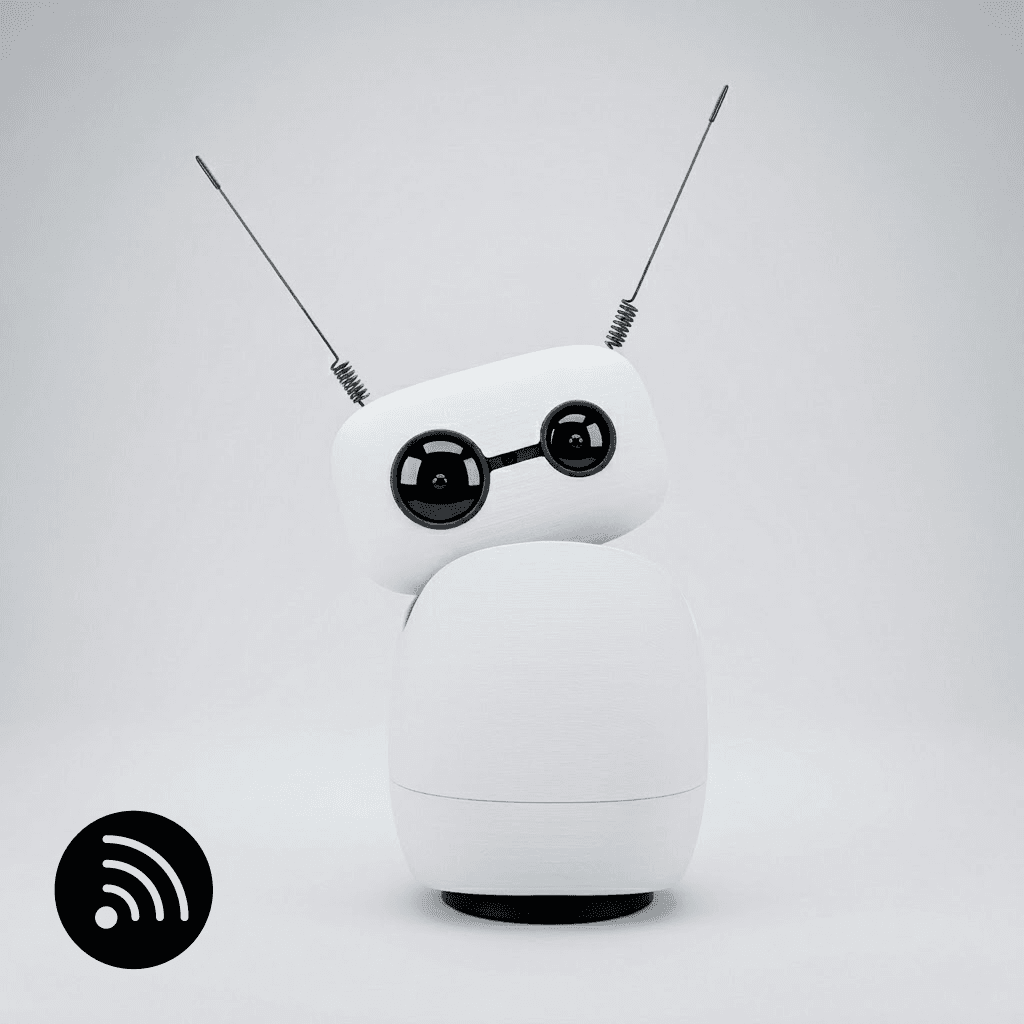
| Physical role | 25 cm mobile biped | 28 cm expressive desktop robot |
| Main engineering focus | Walking, balance, recovery, physical AI | Voice, vision, expression, telepresence |
| First-use path | Included movements and gamepad | DIY assembly and published apps |
| Developer path | Open runtime, MuJoCo, reinforcement learning | Python, JavaScript, REST, WebSocket, MuJoCo |
| Best first project | Adapt or train a movement policy | Build a voice, tracking, or character app |
Prices and availability were checked on September 1, 2026. Open each profile and official source before purchasing.
Decision 01 / project
Choose the physical problem before the language.
Both products support serious experimentation, but their bodies make different projects possible. Microduck has legs, recovery behaviors, an articulated beak, and a control stack shaped around movement. Reachy Mini stays on a desk and combines expressive motion with a camera, microphone array, and speaker.
Choose the body that makes your intended experiment meaningful. Programming language familiarity can be learned; missing hardware cannot be added as easily.
Decision 02 / starting level
Beginner-friendly does not mean zero setup.
Included behaviors give both platforms a useful starting point. The deeper value still requires documentation, dependencies, debugging, and patience with evolving robotics software.
Reachy Mini adds kit assembly, usually documented as a multi-hour process. Microduck lowers the play barrier with a gamepad, but advanced locomotion work quickly enters simulation and reinforcement-learning workflows.
- Confirm the supported operating system and computer requirements
- Run an included behavior before changing code
- Use simulation before testing aggressive physical motion
- Keep a known-good software version and recovery path
Decision 03 / software
Inspect the maintenance path, not only the repository.
An open repository is most useful when releases, examples, issue tracking, simulator assets, and device recovery instructions remain active. Review the current installation path before buying hardware.
For a classroom or repeatable workshop, document the exact environment and reserve time for updates. Robotics projects combine software failures with moving hardware, so reproducibility matters.
Decision 04 / recommendation
Microduck goes deeper into motion; Reachy Mini reaches people.
Microduck is the stronger fit when locomotion, balance, sim-to-real work, or reinforcement learning is the point. Reachy Mini is the stronger fit when the project needs conversation, vision, telepresence, expressive movement, or an app that another person can use.