Side-by-side research
Development program, home service, or research platform is the first decision.
| Decision point | Tesla Optimus | 1X NEO | Unitree R1 | Unitree G1 |
|---|---|---|---|---|
| Primary purpose | General-purpose autonomous humanoid program | Integrated household assistant | Compact humanoid and EDU platform | General-purpose research platform |
| Current entry price | Not announced | $20,000 ownership or $499/month | $4,900 R1 Air | $13,500 G1 |
| Current status | In development; not for sale | Pre-order; US deliveries planned in 2026 | Available to order | Available to order; fulfillment may be backordered |
| Height | Current production design not published | 5 ft 6 in / 168 cm | 123 cm | 132 cm |
| Weight | Current production design not published | 66 lb / about 30 kg | 27 to 29 kg | About 35 kg |
| Listed runtime | Not published | Up to 4 hours | About 1 hour | About 2 hours |
| Listed arm payload | Not published | 18 lb / about 8.2 kg | About 2 kg | About 2 kg standard; 3 kg EDU |
| Primary sensing | Vision and planning described; hardware not specified | Stereo fisheye cameras and microphones | Mono or binocular camera and microphones | Depth camera, 3D LiDAR, and microphones |
| Charging | Not published | Autonomous self-charging | Quick-release battery | Quick-release battery |
| Developer path | No public Optimus SDK documented | Managed consumer platform | Secondary development on R1 EDU | Secondary development on G1 EDU |
Prices and availability were checked on September 18, 2026. Open each profile and official source before purchasing.
Capability and evidence map
What each robot is documented to do today.
This matrix separates the capability claim from the strength of the evidence behind it. It avoids treating a sensor, a demonstration, or an optional configuration as proof of a complete autonomous workflow.
Capability status Supported Limited or configuration-dependent Not documented
“Supported” means the maker documents the capability. Each entry identifies its source, configuration limits, and evidence type.
| Capability | Tesla Optimus | 1X NEO | Unitree R1 | Unitree G1 |
|---|---|---|---|---|
| Biped mobilityCan it move through a room on two legs? | Supported Tesla defines Optimus as a bipedal humanoid program. Official documentationSource ↗ | Supported NEO is documented as a full-size biped designed to move through the home. Official documentationSource ↗ | Supported All R1 configurations are documented as compact biped humanoids. Official documentationSource ↗ | Supported G1 is documented as a full-body biped humanoid platform. Official documentationSource ↗ |
| Autonomous navigationCan it navigate indoor space without continuous control? | Limited Autonomous navigation is part of Tesla's stated end goal, but no consumer-ready navigation specification is published. Manufacturer claimSource ↗ | Limited 1X describes basic autonomy for early owners, with capability intended to improve over time. Manufacturer claimSource ↗ | Not documented The reviewed materials do not define a turnkey autonomous indoor-navigation mode. No reliable evidence | Not documented Depth sensing and LiDAR do not by themselves establish a turnkey navigation mode. No reliable evidence |
| Self-chargingCan it return to charging without a battery swap? | Not documented Tesla has not published a charging workflow for a commercial Optimus configuration. No reliable evidence | Supported The product page says NEO can return to its charger and plug itself in. Official documentationSource ↗ | Not documented Unitree documents a quick-release battery and external charger, not an autonomous dock. Official documentationSource ↗ | Not documented Unitree documents a quick-release battery and external charger, not an autonomous dock. Official documentationSource ↗ |
| Object carryingDoes the maker publish a carrying or arm-payload figure? | Not documented No payload figure is published for the current production design. No reliable evidence | Supported 1X lists a 55 lb carrying capacity and an 18 lb arm payload. Official documentationSource ↗ | Limited Unitree lists about 2 kg of arm load, dependent on posture and configuration. Official documentationSource ↗ | Limited Listed arm load is about 2 kg on standard G1 and 3 kg on G1 EDU. Official documentationSource ↗ |
| Object manipulationIs hardware for grasping and manipulating objects documented? | Limited Physical-world interaction is part of the program goal, but the reviewed sources do not define a repeatable commercial manipulation package. Manufacturer claimSource ↗ | Limited Articulated hands and household object handling are shown, but performance varies by task and object. Manufacturer claimSource ↗ | Limited Dexterous hands are configuration-dependent and are not part of every R1 model. Manufacturer claimSource ↗ | Limited Dexterous hands are configuration-dependent and demonstrations should not be generalized to base G1. Manufacturer claimSource ↗ |
| Household tasksIs a household task workflow offered as part of the product? | Not documented Tesla has not published a supported household task catalog or consumer service. No reliable evidence | Limited Task scheduling is part of the product; complex early tasks may use scheduled Expert Mode. Manufacturer claimSource ↗ | Not documented R1 is not presented as a finished household task service. No reliable evidence | Not documented G1 is a robotics platform, not a documented turnkey household task service. No reliable evidence |
| Remote operationIs a documented remote-control or human-assistance path available? | Not documented No customer-facing remote-control or human-assistance workflow is documented. No reliable evidence | Supported The app supports remote control, and Expert Mode can add scheduled human guidance. Official documentationSource ↗ | Supported Unitree publishes app, control, inspection, and startup resources for R1. Official documentationSource ↗ | Supported Unitree publishes app and controller workflows for movement and configuration. Official documentationSource ↗ |
| Developer controlIs a supported SDK or secondary-development path documented? | Not documented Tesla has not published an Optimus SDK or external developer package; initial builds are assigned to internal training and development. No reliable evidenceSource ↗ | Not documented 1X does not currently publish a general developer SDK for NEO. No reliable evidence | Supported Secondary development is documented for R1 EDU, not Air or standard R1. Official documentationSource ↗ | Supported Secondary development is documented for G1 EDU configurations, not base G1. Official documentationSource ↗ |
Evidence checked September 7, 2026. A missing public claim is labeled “Not documented,” not “unsupported.”
Decision 01 / product model
Optimus is a development program, NEO sells a household outcome, and Unitree sells robotics platforms.
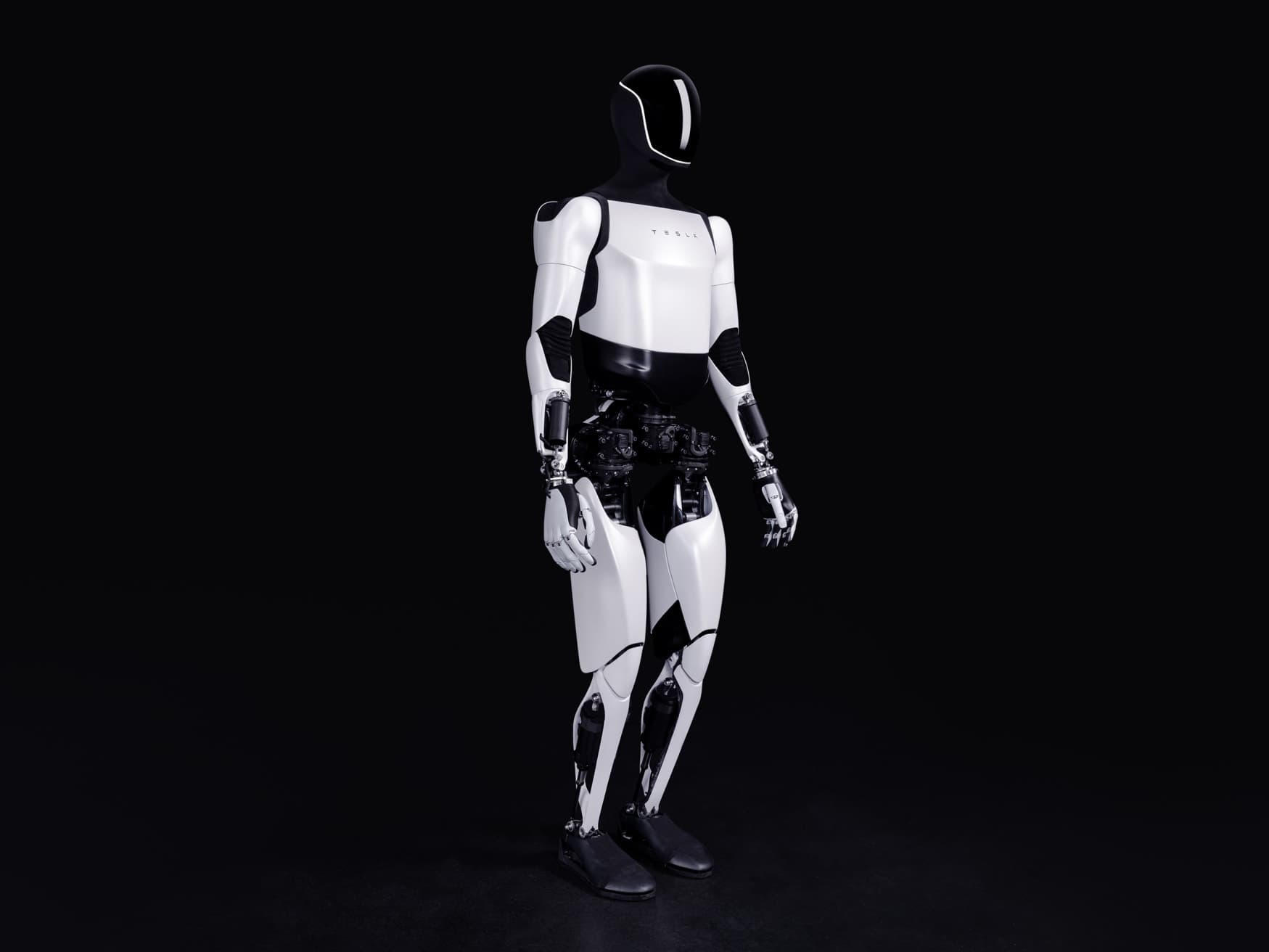
Tesla describes Optimus as a general-purpose autonomous humanoid and is installing dedicated production lines. Its latest investor update assigns the initial builds to training-data collection and functionality development. Tesla has not announced a consumer price, order process, or delivery program, so Optimus is not yet a purchase candidate.
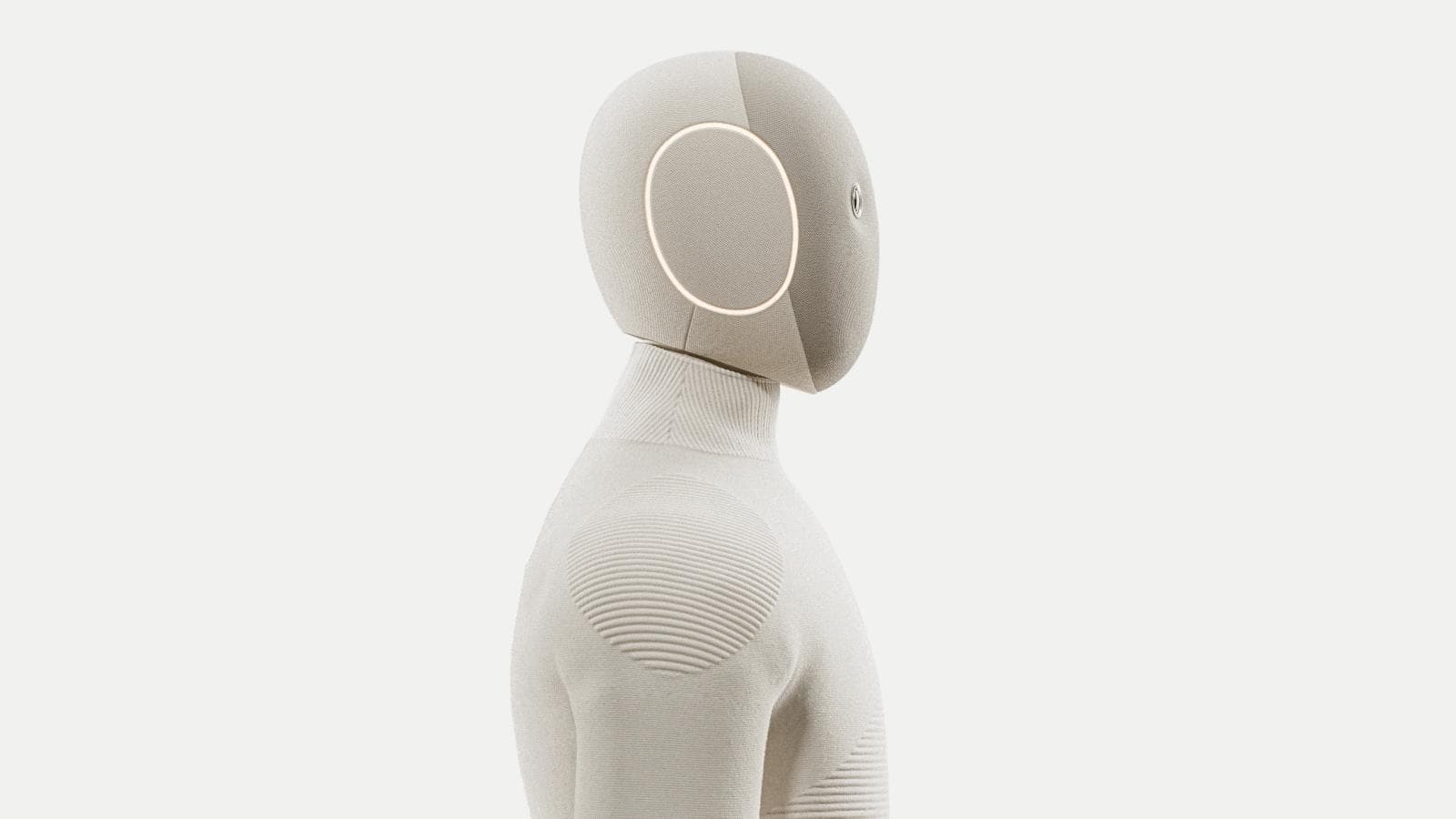
1X presents NEO as a home robot with task scheduling, automatic charging, voice and vision, Redwood AI, and optional scheduled Expert Mode. The ownership or subscription price includes the expectation of an integrated service that continues to improve after delivery.
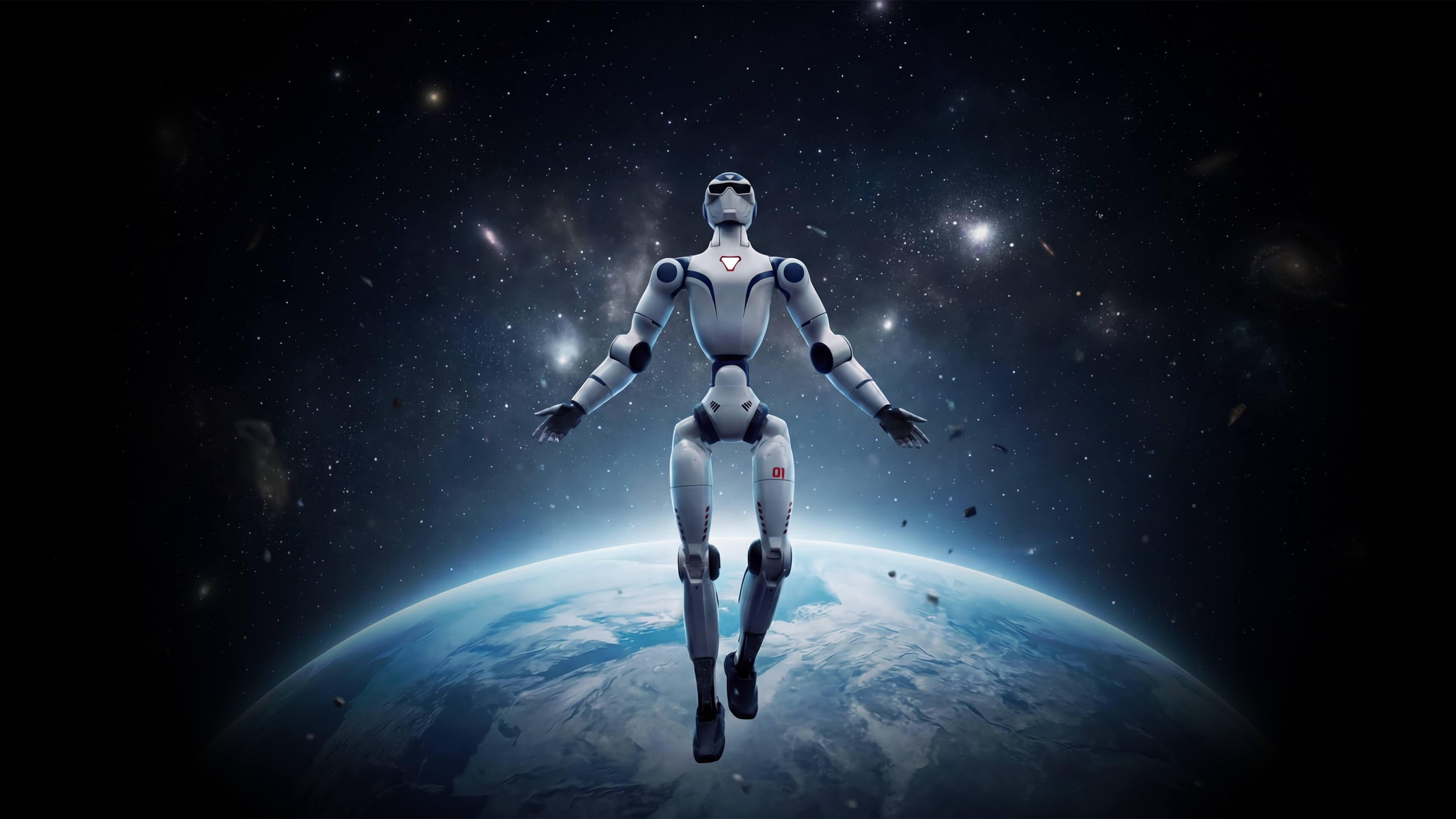
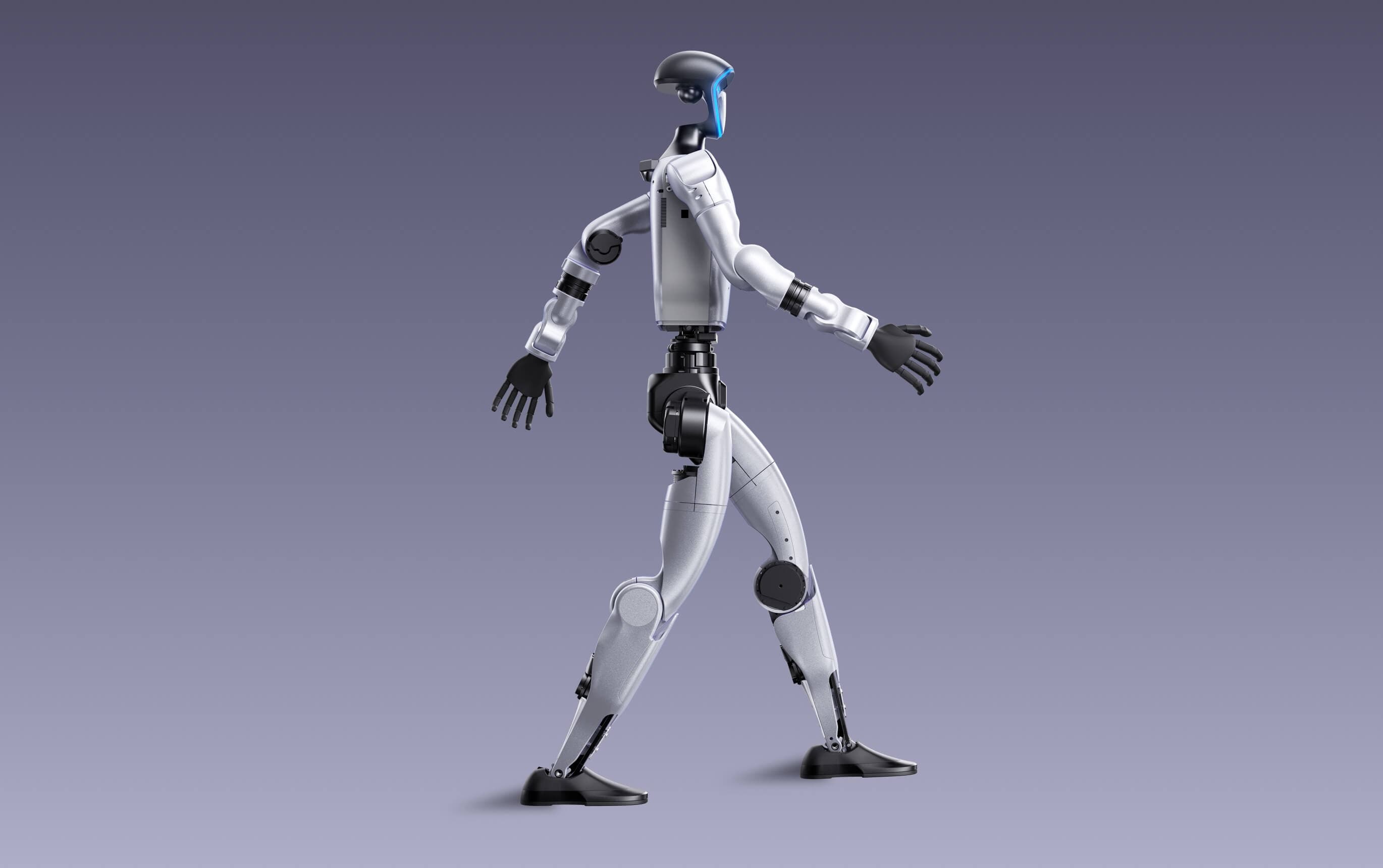
Unitree presents R1 and G1 as general-purpose humanoids. They can be useful platforms for motion, perception, manipulation, education, and research, but their official materials do not describe a complete consumer chore service. A lab can build toward home tasks, while a household should not assume those tasks arrive ready to use.
Decision 02 / Unitree
R1 lowers the entry price; G1 buys more sensing and runtime.
R1 starts at $4,900 for Air, with a $5,900 standard model and a $10,500 EDU configuration currently listed in the official store. It is shorter and lighter than G1, but its listed runtime is about one hour and its sensing depends on the selected version.
G1 starts at $13,500 and adds a depth camera, 3D LiDAR, and about two hours of listed runtime. G1 EDU expands the joint, computing, hand, and development options. Those gains matter for advanced research, but they do not automatically make G1 a consumer home assistant.
Decision 03 / development
The lowest advertised price is not the developer price.
Unitree's current tables reserve secondary development for R1 EDU and G1 EDU. If custom code, low-level control, simulation, or integration is the reason for buying, confirm the exact EDU configuration and included interfaces in writing before placing an order.
NEO takes the opposite approach. It is a managed consumer system, and 1X does not currently present it as a public robotics SDK. Choose it for the household service proposition rather than for an assumption that its hardware is open to custom development.
Tesla does not currently publish a public Optimus SDK or commercial developer package. Factory training activity and engineering demonstrations do not create a supported external development path.
- Price the exact EDU configuration, not only the base robot
- Confirm included hands, compute, batteries, charger, remote, and support
- Match the SDK, firmware, and simulation versions before development
- Create a conservative physical test and emergency-stop process
Decision 04 / ownership
Space, safety, privacy, and support are part of the purchase.
A biped weighing roughly 27 to 35 kg can fall, collide, or apply force in a room designed for people. Plan a controlled operating area, safe distances, supervision, battery handling, network access, and recovery procedures before the robot arrives.
NEO adds a consumer privacy question because cameras, microphones, connected AI, and optional remote Expert Mode enter the home. Unitree shifts more responsibility to the operator, who must govern sensor data, credentials, remote access, and custom software in the research environment.
Decision 05 / recommendation
Track Optimus, choose NEO for the home proposition, R1 for compact entry, or G1 for the stronger research base.
Optimus belongs on a market watchlist, not a current shopping list. NEO is the most relevant option when the goal is an integrated household humanoid and the buyer accepts preorder risk, remote assistance, and a high early-access price. R1 is the entry point for a smaller Unitree biped, especially when the EDU package fits the project. G1 is the stronger Unitree shortlist when depth sensing, LiDAR, runtime, and broader research configurations justify the cost.